 Admin
AdminAre you dreaming of studying in Europe without the burden of student loans? Earning a scholarship to attend a top-ranking university in Europe can be your gateway to world-class education, global exposure, and a brighter future. This comprehensive guide walks you through everything you need to know, from the benefits of studying in Europe, to top scholarship programs, eligibility requirements, application strategies, and real student success stories.
Why Study in Europe? Benefits for International Students
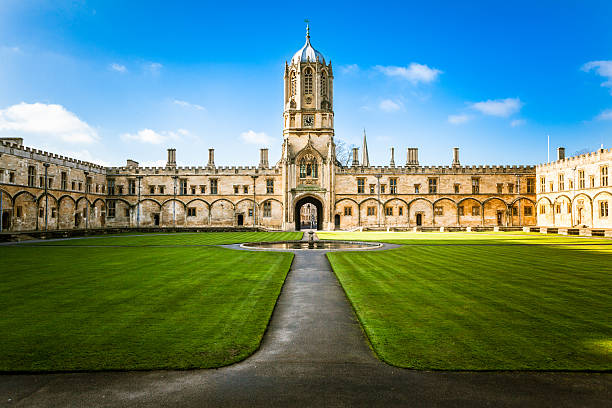
Europe is one of the most desirable destinations for international students for several reasons. The continent is home to some of the oldest and most prestigious universities in the world, such as Oxford, Sorbonne, ETH Zurich, and Heidelberg. Many countries in Europe offer affordable or tuition-free education even for non-EU students. Beyond academics, Europe provides rich cultural diversity, multilingual environments, cutting-edge research opportunities, and the freedom to travel across Schengen countries.
International students also benefit from exposure to global industries and networking opportunities, significantly improving their career prospects. Whether you are interested in engineering, public health, law, computer science, or the arts, Europe has something to offer.
Top European Countries Offering Fully Funded Scholarships
Here’s a look at the most scholarship-friendly countries in Europe:
- Germany: Offers free tuition at public universities and numerous DAAD scholarships for undergraduate, master’s, and PhD students.
- Netherlands: Hosts programs like the Holland Scholarship and Erasmus Mundus Joint Degrees.
- Sweden: Provides full scholarships through the Swedish Institute for international master’s students.
- France: Known for Eiffel Scholarships and affordable public university tuition.
- Norway: Offers tuition-free education at public universities regardless of nationality.
- Finland: Scholarships are available to non-EU/EEA students through the Finnish Government Scholarship Pool.
- Hungary & Poland: Run fully funded schemes like Stipendium Hungaricum and Poland’s National Agency for Academic Exchange.
Types of Scholarships Available in Europe
There are various types of scholarships available for international students in Europe:
- Government-Funded Scholarships: Examples include Erasmus+, DAAD (Germany), Swedish Institute, and the Eiffel Program (France).
- University-Specific Scholarships: Offered directly by institutions to attract top international students.
- EU Programs: Erasmus Mundus Joint Master Degrees (EMJMDs) allow students to study in multiple countries under one program.
- Merit-Based Scholarships: Awarded to students based on academic excellence, leadership, or community involvement.
- Need-Based Scholarships: Designed for students from financially challenged backgrounds.
- Research Grants: For postgraduate and PhD students conducting advanced research in STEM, social sciences, and humanities.
Eligibility Requirements for European Scholarships
While each program has its own specific requirements, the most common eligibility criteria include:
- A strong academic background (minimum 2:1 GPA or equivalent).
- Proof of English language proficiency (IELTS, TOEFL, Duolingo, or exemptions).
- Valid international passport.
- Motivation letter or personal statement tailored to the scholarship.
- Academic references or letters of recommendation.
- Curriculum Vitae (CV) or résumé.
- Offer of admission or conditional acceptance from a university (for some programs).
- For research-based programs, a solid research proposal or portfolio may be required.
Top Scholarship Programs to Apply For in Europe
- Erasmus Mundus Joint Master Degrees: Fully funded programs across multiple EU countries.
- DAAD Scholarships (Germany): Extensive funding for development-focused graduate and doctoral programs.
- Swedish Institute Scholarships: For change-makers pursuing master’s programs in Sweden.
- Eiffel Excellence Scholarships (France): Competitive scholarships for disciplines like engineering, law, and economics.
- VLIR-UOS (Belgium): Focused on students from developing countries.
- Stipendium Hungaricum (Hungary): A full scholarship from bachelor’s to PhD level.
- Holland Scholarship & OKP (Netherlands): For talented non-EU students.
- ETH Zurich Excellence Scholarship (Switzerland): For high-achieving students in STEM fields.
How to Prepare a Strong Application and Personal Statement
- Start Early: Begin collecting documents at least 6 months before deadlines.
- Tailor Your Motivation Letter: Highlight your goals, experiences, and how studying in Europe aligns with your career path.
- Organize Your Documents: Transcripts test scores, recommendation letters, and certificates should be ready.
- Proofread and Polish: Use tools like Grammarly and get feedback from mentors.
- Showcase Leadership and Impact: Talk about projects, volunteer work, or internships.
Where and How to Apply for European Scholarships
- University Websites: Check the ‘Financial Aid’ or ‘Scholarships’ section.
- Official Portals: Use DAAD.de, studyinsweden.se, campusfrance.org, and Erasmus+ databases.
- Embassy or Government Websites: For bilateral scholarship programs.
- Social Media & Forums: Join groups on LinkedIn, Reddit, or Facebook for real-time updates.
- Scholarship Aggregators: Use sites like Scholars4Dev, OpportunityDesk, and ScholarshipPortal.
Tips for Increasing Your Chances of Scholarship Success
- Apply for 5 – 10 scholarships, not just one.
- Follow instructions precisely.
- Be authentic and compelling in your story.
- Keep your grades up.
- Get involved in extracurricular or leadership activities.
- Practice interviews and presentations.
Bonus Tips: Countries with the Easiest Scholarship Application Processes
- Germany: Simple and transparent DAAD database with minimal red tape.
- Hungary: Apply for Stipendium Hungaricum before even securing admission.
- Sweden: Swedish Institute portal integrates admission and scholarship.
- Netherlands: Studyinholland.nl offers structured application steps.
- Norway: No tuition fees, and just one university application is needed.
Success Stories: Students Who Won Scholarships in Europe
- Grace from Kenya: Studied Public Health across Italy, Germany, and Sweden through Erasmus Mundus.
- Aamir (a man) from Pakistan: Received a DAAD Scholarship to pursue Environmental Science.
- Chioma (a lady) from Nigeria: Accepted into Sciences Po under the Eiffel Program.
- Linh from Vietnam: Studied Data Science with a Holland Scholarship.
- Daniel, a man from Ghana: Pursued Sustainable Energy Engineering with a Swedish Institute award.
Frequently Asked Questions (FAQs)
- Q1: Can I get a scholarship without IELTS?
Yes. Many universities accept alternatives like Duolingo or proof of previous education in English.
- Q2: Are there undergraduate scholarships in Europe?
Yes. Germany, Hungary, and Norway offer full funding for undergraduates.
- Q3: Can I bring my family?
Yes, especially for postgraduate scholarships lasting over one year.
- Q4: Do I need to know a European language?
No. Many programs are entirely in English, though local language skills are a bonus.
Conclusion: Your Gateway to Studying in Europe for Free
Earning a scholarship to study in Europe is not only possible; it’s achievable with the right information, preparation, and persistence. Thousands of students around the world secure these life-changing opportunities every year. You could be next. Start your journey today by researching programs, preparing compelling documents, and applying strategically. Europe is ready to welcome bright, ambitious minds like yours.
Ready to take the next step? Start preparing your application today and open the door to top-quality European education, without the financial stress!

 Admin
Admin